

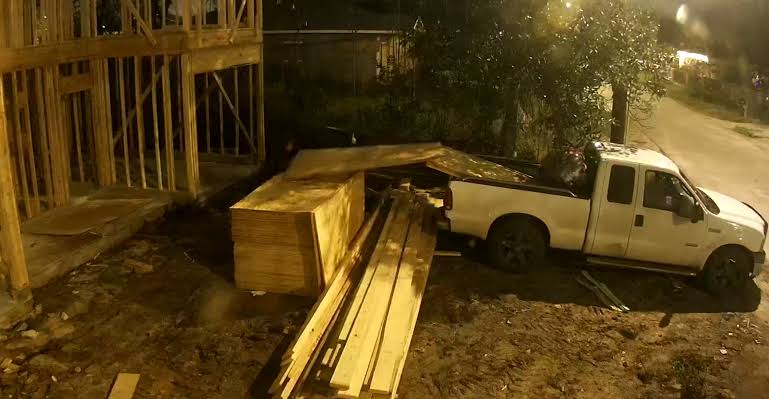
Job Site Security Incidents Are Still Wrecking Schedules in 2026
A new 2026 survey conducted by For Construction Pros asked contractors across the country about their biggest operational pain points. The answer that kept surfacing wasn’t labor. It wasn’t permitting. It was job site theft and vandalism, and the cascading schedule delays that follow.
This isn’t a new problem. But the data suggests it’s one the industry still hasn’t solved. Equipment goes missing days before a critical pour. Materials get stripped overnight. A break-in means police reports, insurance calls, and reorders before any actual work resumes. Days lost. Weeks sometimes.
The contractors who are getting ahead of it aren’t just buying more cameras. They’re rethinking how security fits into their project timeline: treating it the same way they treat weather risk or subcontractor reliability. Here’s what the latest data shows, and what’s actually changing on the sites that are moving faster.
The 2026 Data: Still Happening, Still Costly
The For Construction Pros survey found that theft and vandalism remain a top-five operational disruption for general contractors, even as awareness of the problem has never been higher. The persistence of the issue points to something structural: most sites are still secured the way they’ve always been secured, and that approach has real gaps.
One case that made headlines in 2026 illustrates the scale. A lumber boneyard in Spokane, Washington, reported nearly $500,000 in stolen materials over a compressed period: copper wiring, dimensional lumber, engineered components. The losses weren’t just financial. The project timeline shifted by weeks while replacements were sourced and delivered.
That’s the pattern. A single incident can trigger a chain reaction: insurance documentation, re-procurement, revised subcontractor sequencing, revised owner communication. The theft itself might take 20 minutes. The recovery takes much longer.
Why the Problem Persists Despite Widespread Awareness
If contractors know this is happening, why hasn’t the industry solved it? A few factors explain the gap.
Static security on dynamic sites. Construction sites change every week: new trades arriving, new high-value materials staged, new access points opened. A camera placement or fence configuration that made sense during groundbreaking may leave significant blind spots by the time structural framing begins. Security that doesn’t adapt to the project doesn’t protect the project.
Reactive monitoring instead of proactive detection. Many sites have cameras. Far fewer have someone actually watching them in real time or a system that alerts on motion before an incident is complete. Footage is valuable after the fact for insurance and prosecution. It doesn’t stop the theft or wake anyone up at 2 a.m. when it matters.
Security treated as a fixed cost rather than a managed resource. When security is line-itemed once at project kickoff and then forgotten, it tends to stay static. The contractors moving fastest are revisiting their security posture the same way they revisit staffing and material procurement, regularly and in response to what’s actually happening on site.
What the Contractors Handling It Best Are Doing Differently
Across projects where security incidents are down and schedule impact is minimal, a few consistent patterns emerge.
They’ve moved from recorded to live monitoring. Video surveillance that feeds a monitored system, where a trained operator can intervene, issue an audio warning, or dispatch security, catches incidents in progress rather than documenting them after. The deterrent effect alone changes behavior on sites where word gets out that cameras aren’t just cameras.
They’re using AI-based detection to filter noise. Job sites generate enormous amounts of motion: wind, vehicles, animals, shifting shadows. Systems that use true AI detection rather than basic motion triggers dramatically reduce false alarms, which means security personnel actually respond when alerts come in rather than tuning out a constant stream of non-events.
They’re syncing security to project phases. High-value electrical components staged before installation. Copper plumbing roughed in before walls are closed. Finished fixtures sitting in an unlocked building. These are predictable high-risk windows, and the contractors managing security well are ramping up coverage specifically during those phases rather than keeping a flat security footprint across the entire project.
They’re treating security as a schedule risk, not just a cost center. When a superintendent frames a security upgrade in terms of days saved and delay risk avoided, not just equipment protected, it changes the conversation with ownership. One incident that costs two weeks of schedule delay almost certainly costs more than a full season of proactive monitoring.
The Schedule Conversation Is the Security Conversation
The framing shift matters. When security is positioned as theft prevention, it gets treated as a grudge purchase, something you buy because you have to, not because it moves the project forward. When it’s positioned as schedule protection, it becomes part of the risk management conversation that general contractors already have every week.
Delays cost money. They cost credibility with owners. They create downstream problems with subcontractors who planned around original sequencing. A single material theft that pushes a critical path item back five days can have a multiplier effect through the rest of the schedule.
The sites that are getting this right aren’t treating security as a separate department from operations. The site superintendent knows what’s being monitored. The project manager knows what the alerts looked like last week. Security is integrated into how the project runs, not bolted on after something goes wrong.
If Your Security Plan Hasn’t Changed Since You Started the Project, It Has Gaps
A security configuration set at project kickoff and never revisited is almost certainly under-protecting the project by the time it matters most. The most valuable materials on most construction projects don’t arrive until mid-build. The access points that matter most change as the structure progresses. Static security on a dynamic site creates predictable windows of exposure.
The contractors who are holding schedules in 2026 aren’t doing it because theft has gone down. They’re doing it because they’re managing security the same way they manage every other project risk: actively, adaptively, and with an eye on what’s actually at stake.
Site Security Systems provides monitored security solutions purpose-built for construction. Learn more at sitesecuritysystems.com or explore the Site Sentry platform at sitesecuritysystems.com/site-sentry/.